
When it comes to selecting a cloud hosting provider, prioritizing security is paramount. Dive into this guide to explore the key aspects of security-first cloud hosting in a detailed yet approachable manner.
Importance of Security in Cloud Hosting
Security is a top priority when choosing a cloud hosting provider due to the sensitive nature of the data stored and processed in the cloud. Ensuring the security of this data is crucial to maintaining the trust of clients and customers.
Potential Risks of Inadequate Security Measures
- Unauthorized access: Without proper security measures in place, hackers can gain unauthorized access to sensitive data stored in the cloud, leading to data breaches and privacy violations.
- Data loss: Inadequate security measures can result in data loss due to cyberattacks or system failures, leading to significant financial and reputational damage for businesses.
- Compliance issues: Failing to implement adequate security measures can result in non-compliance with industry regulations and data protection laws, exposing businesses to legal consequences.
Impact of Security Breaches on Businesses
- Financial losses: Security breaches can result in financial losses due to the costs associated with investigating the breach, mitigating the damage, and compensating affected parties.
- Reputational damage: Security breaches can tarnish the reputation of a business, leading to a loss of trust from clients, customers, and partners.
- Legal consequences: Security breaches can expose businesses to legal action from affected parties, regulatory fines, and other legal repercussions.
Key Security Features to Look for
![9 Best Free Laravel Hosting Provider In 2025 [Free And Paid]](https://ecommerce.kuninganmass.com/wp-content/uploads/2025/11/Best-Cloud-Hosting-Provider-01.jpg "9 Best Free Laravel Hosting Provider In 2025 [Free And Paid]")
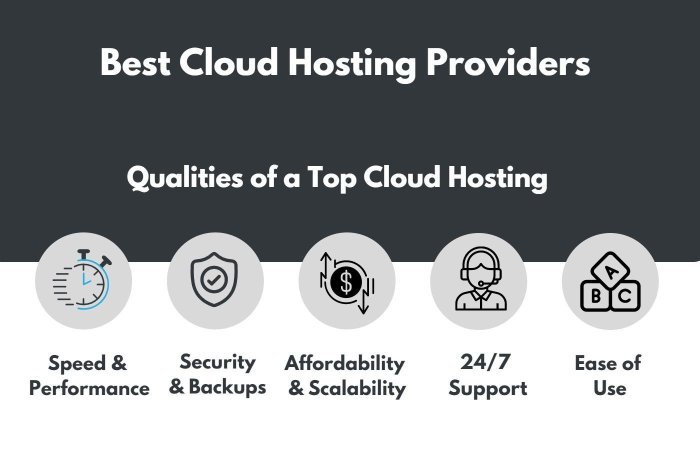
When selecting a cloud hosting provider, it is crucial to prioritize security features to protect your data and ensure the safety of your online operations. Here are some essential security features to consider:
Encryption Protocols
Encryption plays a vital role in securing data in the cloud. Different encryption protocols are commonly used to protect sensitive information from unauthorized access. Some of the widely used encryption methods include:
- SSL/TLS (Secure Sockets Layer/Transport Layer Security): These protocols secure data transmission over the internet by encrypting the connection between the user's device and the server.
- AES (Advanced Encryption Standard): AES is a symmetric encryption algorithm widely used for securing data at rest in the cloud.
- PGP (Pretty Good Privacy): PGP is an encryption program that provides cryptographic privacy and authentication for data communication.
Multi-Factor Authentication
Multi-factor authentication (MFA) adds an extra layer of security to cloud hosting by requiring users to provide multiple forms of verification to access their accounts. This can include something the user knows (password), something they have (smartphone), or something they are (fingerprint).
By implementing MFA, cloud hosting providers can significantly reduce the risk of unauthorized access to sensitive data.
Compliance and Certifications
When it comes to choosing a cloud hosting provider, one of the crucial aspects to consider is their compliance with industry-standard certifications. These certifications serve as a testament to the provider's commitment to maintaining high levels of security and data protection.Compliance certifications such as SOC 2 (Service Organization Control 2) and ISO 27001 are widely recognized in the industry for setting strict guidelines on how organizations should manage and secure sensitive information.
SOC 2 focuses on the security, availability, processing integrity, confidentiality, and privacy of customer data, while ISO 27001 establishes an information security management system to identify, manage, and reduce risks to information security.
Industry-Specific Regulatory Requirements
- Healthcare Industry: The Health Insurance Portability and Accountability Act (HIPAA) sets standards for protecting sensitive patient data in the cloud.
- Financial Sector: The Payment Card Industry Data Security Standard (PCI DSS) Artikels requirements for securing payment card information in cloud environments.
- Government Agencies: The Federal Risk and Authorization Management Program (FedRAMP) ensures cloud service providers meet strict security standards for government data.
Enhancing Security Posture
Compliance with these standards not only demonstrates a provider's commitment to security but also enhances their overall security posture. By adhering to these certifications, cloud hosting providers implement robust security controls, regular audits, and risk management practices to protect data from unauthorized access, breaches, and cyber threats.
This proactive approach not only safeguards customer data but also builds trust and confidence in the provider's ability to secure sensitive information effectively.
Data Backup and Disaster Recovery
Data backup and disaster recovery are crucial components of a solid cloud hosting strategy. In the event of data loss or system failures, having robust backup and recovery processes in place can help minimize downtime and ensure business continuity.
Role of Redundancy and Failover Mechanisms
Redundancy and failover mechanisms play a key role in ensuring data availability and continuity in cloud hosting environments. Redundancy involves replicating data across multiple storage locations to prevent a single point of failure. Failover mechanisms automatically switch to a backup system in case of a primary system failure, minimizing downtime and ensuring uninterrupted access to data.
Importance of Regular Testing and Updates
Regular testing and updates are essential for disaster recovery plans in cloud hosting. Testing helps identify any weaknesses in the backup and recovery processes, allowing organizations to make necessary improvements. Regular updates ensure that the disaster recovery plan remains effective and up-to-date in response to evolving threats and technology changes.
Last Recap
In conclusion, safeguarding your data and ensuring a secure cloud hosting environment should be at the forefront of your decision-making process. With the right provider and understanding of security essentials, your online presence can thrive with confidence.
User Queries
What are some potential risks of inadequate security measures in cloud hosting?
Inadequate security measures in cloud hosting can lead to data breaches, unauthorized access to sensitive information, and potential downtime for businesses.
Why is multi-factor authentication significant for enhancing cloud security?
Multi-factor authentication adds an extra layer of protection by requiring multiple forms of verification before granting access, reducing the risk of unauthorized entry.