
Exploring the Future of AI in Ecommerce Marketing delves into the exciting advancements reshaping the landscape of online retail. As artificial intelligence continues to make waves in various sectors, its impact on marketing strategies within the ecommerce realm is profound and ever-evolving.
In this narrative, we will uncover the ways in which AI is revolutionizing the way businesses interact with customers, analyze data, and automate processes to stay ahead in a competitive market.
The Impact of AI on Ecommerce Marketing
AI has significantly transformed the landscape of ecommerce marketing, providing businesses with innovative tools and strategies to enhance their marketing efforts, improve customer experiences, and drive sales. By leveraging AI technologies, companies can analyze vast amounts of data, predict consumer behavior, personalize marketing campaigns, and automate various tasks, ultimately leading to increased efficiency and effectiveness in reaching target audiences.
Examples of AI Technologies in Ecommerce Marketing
- Chatbots: AI-powered chatbots are used to provide personalized customer service, answer queries, recommend products, and guide users through the purchasing process.
- Recommendation Engines: AI algorithms analyze customer data and browsing history to suggest relevant products, upsell, and cross-sell items based on individual preferences.
- Predictive Analytics: AI predicts future trends, consumer behavior, and buying patterns, enabling businesses to anticipate demand, optimize pricing strategies, and plan marketing campaigns effectively.
- Dynamic Pricing: AI adjusts prices in real-time based on market conditions, competitor pricing, and customer demand, maximizing profitability and competitiveness.
Advantages of Incorporating AI into Ecommerce Marketing
- Personalization: AI enables personalized recommendations, targeted marketing messages, and customized shopping experiences, enhancing customer engagement and loyalty.
- Automation: AI automates repetitive tasks, such as email marketing, ad targeting, inventory management, and customer support, saving time and resources while improving efficiency.
- Data Analysis: AI processes and analyzes large volumes of data quickly and accurately, providing valuable insights into customer behavior, preferences, and trends to optimize marketing strategies.
- Improved Decision-Making: AI-driven insights help businesses make data-driven decisions, identify opportunities for growth, and adapt to changing market dynamics, leading to better outcomes and increased competitiveness.
Personalization and Customer Experience
AI-driven personalization in ecommerce is revolutionizing the way customers shop online. By analyzing customer data and behavior, AI algorithms can create personalized recommendations, product suggestions, and offers tailored to individual preferences. This level of customization enhances the overall shopping experience, making it more convenient and enjoyable for customers.
Enhanced Customer Service
AI is being utilized in ecommerce to improve customer service by providing instant support through chatbots. These AI-powered bots can answer customer queries, provide product information, process orders, and offer assistance 24/7. This ensures that customers receive prompt and accurate responses to their inquiries, ultimately enhancing their overall satisfaction with the shopping experience.
Tailored Marketing Campaigns
One of the key roles of AI in ecommerce marketing is the ability to tailor marketing campaigns to individual customer preferences. By analyzing customer data, AI algorithms can segment customers based on their behavior, preferences, and purchase history. This enables ecommerce businesses to create targeted marketing campaigns that are personalized and relevant to each customer, increasing the likelihood of conversion and customer retention.
Data Analysis and Predictive Analytics
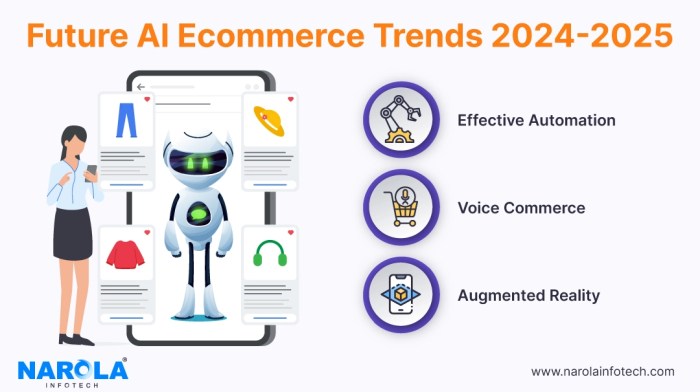
AI tools play a crucial role in helping ecommerce businesses analyze big data to extract valuable marketing insights. By utilizing advanced algorithms and machine learning, AI enables businesses to process and interpret vast amounts of data efficiently.
Optimizing Marketing Strategies with Predictive Analytics
Predictive analytics powered by AI are revolutionizing marketing strategies in ecommerce. By analyzing historical data, customer behavior patterns, and market trends, AI can predict future outcomes and recommend the most effective marketing strategies. For example, AI algorithms can forecast customer preferences, anticipate demand, and personalize marketing campaigns to target specific customer segments effectively.
The Importance of Data-Driven Decision-Making
Data-driven decision-making is essential in ecommerce marketing, and AI plays a crucial role in enabling businesses to make informed decisions based on data insights. By leveraging AI-powered predictive analytics, businesses can optimize their marketing efforts, improve customer engagement, and drive conversions.
With real-time data analysis and predictive modeling, businesses can stay ahead of the competition and deliver personalized experiences that resonate with customers
Automation in Marketing Processes
Automation plays a crucial role in streamlining various marketing processes in the realm of ecommerce. By harnessing the power of AI, businesses can enhance efficiency, reduce manual tasks, and deliver more personalized experiences to customers.
Email Campaign Management
- AI algorithms can analyze customer behavior and preferences to create hyper-personalized email campaigns.
- Automated email scheduling ensures timely delivery of messages, increasing engagement and conversion rates.
- Dynamic content generation based on user interactions leads to more relevant and targeted communication.
Ad Targeting Optimization
- AI-powered tools can segment audiences based on demographics, behavior, and interests for precise ad targeting.
- Automated bidding strategies maximize ROI by adjusting ad placements in real-time based on performance data.
- Machine learning algorithms optimize ad creatives for higher click-through rates and conversions.
Content Creation Efficiency
- AI tools can generate product descriptions, blog posts, and social media content at scale, saving time and resources.
- Natural language processing enables automated content curation and customization for different target segments.
- Content optimization algorithms ensure compliance and relevance for improved search engine rankings.
Real-world Examples
- Amazon's recommendation engine uses AI to suggest products based on user browsing and purchase history, driving sales.
- Sephora's chatbot assists customers with personalized product recommendations and beauty tips, enhancing the shopping experience.
- ASOS utilizes AI algorithms to curate personalized shopping feeds for users, increasing customer engagement and loyalty.
Ending Remarks
In conclusion, the future of AI in Ecommerce Marketing holds limitless possibilities for innovation and growth. By embracing AI technologies, businesses can unlock new potentials, enhance customer experiences, and drive success in the digital marketplace. Stay tuned as we witness the transformative power of AI continue to shape the ecommerce landscape in the years to come.
FAQ Section
How is AI changing the landscape of ecommerce marketing?
AI is revolutionizing ecommerce marketing by enabling businesses to personalize customer experiences, analyze big data efficiently, and automate various marketing processes.
What are some examples of AI technologies used in ecommerce marketing?
Examples include chatbots for customer service, recommendation engines for personalized product suggestions, and predictive analytics tools for optimizing marketing strategies.
Why is data-driven decision-making important in ecommerce marketing with AI?
Data-driven decision-making ensures that marketing strategies are based on accurate insights and trends, leading to more effective campaigns and improved ROI.