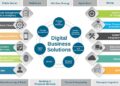

Is Your Business Ready for Digital Transformation? sets the stage for this enthralling narrative, offering readers a glimpse into a story that is rich in detail and brimming with originality. The digital landscape has redefined how businesses operate, making it essential to explore the readiness for this transformative journey.
This article delves into the key components, challenges, and steps involved in preparing a business for digital transformation, providing valuable insights for organizations looking to thrive in the digital age.
Importance of Digital Transformation

In today's fast-paced business environment, digital transformation plays a crucial role in ensuring the success and sustainability of companies. It involves integrating digital technologies into all aspects of a business to fundamentally change how it operates and delivers value to customers.
Revolutionizing Industries with Digital Transformation
- Healthcare: Digital transformation has enabled the development of telemedicine, electronic health records, and wearable health devices, improving patient care and outcomes.
- Retail: E-commerce platforms and digital marketing strategies have transformed the retail sector, providing customers with personalized shopping experiences and convenient ways to make purchases.
- Manufacturing: Automation, IoT, and data analytics have revolutionized manufacturing processes, increasing efficiency, reducing costs, and enabling predictive maintenance.
Benefits of Embracing Digital Transformation
- Enhanced Customer Experience: By leveraging digital technologies, businesses can offer personalized services, streamline transactions, and engage with customers in real-time, leading to increased satisfaction and loyalty.
- Improved Operational Efficiency: Automation of repetitive tasks, data-driven decision-making, and optimized processes through digital transformation can enhance productivity and reduce operational costs.
- Competitive Advantage: Companies that embrace digital transformation gain a competitive edge by staying ahead of market trends, adapting to changing customer preferences, and innovating faster than their competitors.
Key Components of Digital Transformation
Digital transformation is a multifaceted process that involves various key components essential for its success. Technology, data-driven decision-making, and strategic planning are crucial elements that drive the digital transformation journey.
Technology as a Pivotal Component
Technology forms the backbone of digital transformation, enabling businesses to streamline processes, improve efficiency, and enhance customer experiences. Embracing cutting-edge technologies such as artificial intelligence, cloud computing, and Internet of Things (IoT) can revolutionize operations and open up new opportunities for growth.
Leveraging technology effectively requires a strategic approach and a willingness to adapt to changing market dynamics.
Data-Driven Decision-Making
Data holds immense power in the digital age, providing valuable insights that drive informed decision-making. By collecting and analyzing data from various sources, organizations can gain a deeper understanding of customer behavior, market trends, and operational performance. Data-driven decision-making allows businesses to identify opportunities, mitigate risks, and optimize strategies for sustainable growth.
Implementing robust data analytics tools and processes is crucial for harnessing the full potential of data in driving digital transformation initiatives.
Strategic Planning and Execution
Strategic planning and execution are fundamental components of digital transformation, guiding organizations through the complexities of change management and innovation. Developing a clear digital strategy that aligns with business goals and customer needs is essential for success. Effective execution involves collaboration across departments, agile project management practices, and continuous monitoring and adjustment of digital initiatives.
By prioritizing strategic planning and execution, businesses can navigate the digital landscape with confidence and drive meaningful transformation.
Challenges of Implementing Digital Transformation
Implementing digital transformation in a business can be a daunting task, often met with various challenges that can hinder the process. From resistance to change to potential risks, navigating through these obstacles is crucial for successful transformation.
Resistance to Change
- Resistance from employees who are comfortable with traditional methods and reluctant to embrace new technologies.
- Lack of clear communication and understanding of the benefits of digital transformation, leading to skepticism and pushback.
- Fear of job displacement or changes in roles due to automation and digital tools.
Risks Associated with Digital Transformation
- Security vulnerabilities and data breaches resulting from the integration of new technologies and systems.
- Operational disruptions during the transition period, affecting productivity and customer experience.
- Financial risks due to the high costs associated with implementing digital solutions and the potential for ROI not being realized immediately.
Strategies to Overcome Resistance and Mitigate Risks
- Provide comprehensive training and support to employees to ensure they are equipped with the necessary skills for the digital transformation.
- Engage stakeholders at all levels of the organization and communicate the vision and benefits of the transformation clearly and consistently.
- Implement robust cybersecurity measures to safeguard sensitive data and mitigate the risk of cyber threats.
- Conduct thorough risk assessments and develop contingency plans to address potential disruptions during the transformation process.
Steps to Prepare Your Business for Digital Transformation
Embracing digital transformation is crucial for the survival and growth of businesses in today's rapidly evolving landscape. To ensure a smooth transition, follow these steps to prepare your business for digital transformation:
Create a Digital Transformation Roadmap
Before diving into the digital transformation process, it is essential to create a detailed roadmap outlining your goals, strategies, and timeline. Identify key areas that need transformation and set clear objectives to guide your journey.
Assess Your Current State
- Evaluate your existing technologies, processes, and capabilities to identify gaps and areas for improvement.
- Understand the needs and expectations of your customers to align your digital transformation efforts with their preferences.
- Conduct a thorough analysis of your competitors and industry trends to stay ahead in the digital race.
Invest in the Right Technologies
- Choose technologies that align with your business goals and objectives.
- Invest in scalable and flexible solutions that can adapt to changing market demands.
- Consider cloud-based services, AI, IoT, and data analytics tools to optimize your operations and enhance customer experiences.
Empower Your Employees
- Provide training and upskilling opportunities to equip your workforce with the necessary digital skills.
- Create a culture of innovation and experimentation to encourage employees to embrace new technologies and ideas.
- Empower your teams to collaborate cross-functionally and break down silos for a more integrated approach to digital transformation.
Lead with Vision and Purpose
- Establish strong leadership with a clear vision for digital transformation.
- Communicate the benefits and importance of digital transformation initiatives to all stakeholders.
- Lead by example and champion a culture of agility, adaptability, and continuous improvement within your organization.
Closing Summary
As we conclude this exploration of digital transformation readiness, it becomes clear that embracing change and leveraging technology are crucial for staying competitive in today's dynamic market. Is Your Business Ready for Digital Transformation? serves as a guidepost for businesses seeking to navigate the complexities of digital evolution successfully.
Answers to Common Questions
What are the key benefits of digital transformation for businesses?
Digital transformation enhances operational efficiency, improves customer experience, and fosters innovation within organizations.
How can businesses overcome resistance to change during digital transformation?
Effective communication, stakeholder engagement, and change management strategies can help organizations address resistance to change during digital transformation initiatives.
What role does leadership play in driving digital transformation initiatives?
Leadership is crucial in setting the vision, fostering a culture of innovation, and guiding the organization through the digital transformation journey.