
Exploring the dynamic relationship between GM's stock performance and automotive industry trends, this article delves into the intricacies of market fluctuations and strategic decision-making. Get ready to uncover insights that go beyond the surface level.
As we delve deeper into GM's historical stock performance and how it aligns with current industry trends, a fascinating narrative unfolds, shedding light on the factors driving these developments.
GM Stock Performance
General Motors (GM) has a long history in the automotive industry, and its stock performance reflects various trends and influences over the years.
Historical Stock Performance Overview
- GM went public in 2010 after emerging from bankruptcy.
- Since then, the stock has experienced fluctuations based on market conditions and company performance.
- GM's stock price reached an all-time high in [year] and faced challenges during economic downturns.
Factors Influencing GM Stock Prices
- Economic conditions: GM's stock is affected by overall economic trends, such as interest rates and consumer confidence.
- Company performance: Quarterly earnings reports, new product launches, and strategic decisions impact GM's stock prices.
- Industry trends: Technological advancements, regulatory changes, and competition also play a role in GM's stock performance.
Comparison to Other Major Automotive Companies
- GM's stock performance is often compared to other industry giants like Ford, Toyota, and Volkswagen.
- Analysts evaluate factors such as market share, profitability, and innovation to assess the competitiveness of GM against its peers.
- Differences in business models, geographic presence, and target markets contribute to variations in stock performance among automotive companies.
Automotive Industry Trends
The automotive industry is constantly evolving, driven by various trends that shape the market and influence consumer behavior. From technological advancements to changing consumer preferences, several key factors are impacting the automotive sector.
Electric Vehicles (EVs) Adoption
Electric vehicles are gaining popularity due to their environmentally friendly nature and government incentives promoting their adoption. As technology continues to advance, EVs are becoming more affordable and offering longer driving ranges, making them a viable option for consumers looking to reduce their carbon footprint.
Autonomous Vehicles Development
The development of autonomous vehicles is revolutionizing the automotive industry, with major players investing heavily in self-driving technology. These vehicles have the potential to improve road safety, reduce traffic congestion, and enhance the overall driving experience. However, regulatory challenges and public acceptance remain key hurdles to widespread adoption.
Shift Towards Mobility Services
Consumers are increasingly embracing mobility services like ride-sharing and car-sharing as convenient alternatives to car ownership
Impact of Regulations and Emission Standards
Stringent regulations on emissions and fuel efficiency are driving automakers to develop more environmentally sustainable vehicles. Compliance with these standards is crucial for companies to avoid hefty fines and maintain a positive brand image in an increasingly eco-conscious market.
Comparison of GM Stock to Industry Trends
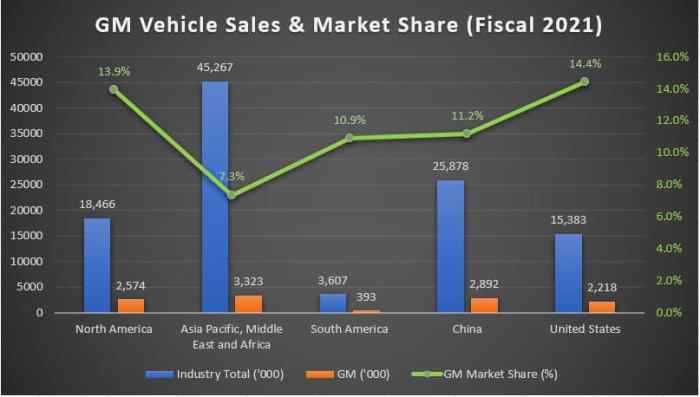
General Motors (GM) stock performance is closely tied to the overall trends in the automotive industry. Let's analyze how GM's stock performance aligns with current automotive industry trends and evaluate how GM has responded to these changes affecting its stock prices.
Strategic Response to Industry Changes
GM has shown agility in responding to industry changes that impact its stock prices. For example, the company has shifted its focus towards electric vehicles (EVs) and autonomous driving technologies to align with the growing trend towards sustainability and innovation in the automotive sector.
Correlation between GM's Decisions and Industry Trends
GM's strategic decisions, such as investing in EVs and developing new mobility solutions, have shown a positive correlation with industry trends. As consumer preferences shift towards cleaner and more connected vehicles, GM's initiatives in these areas have positioned the company well to capitalize on emerging opportunities in the market.
End of Discussion
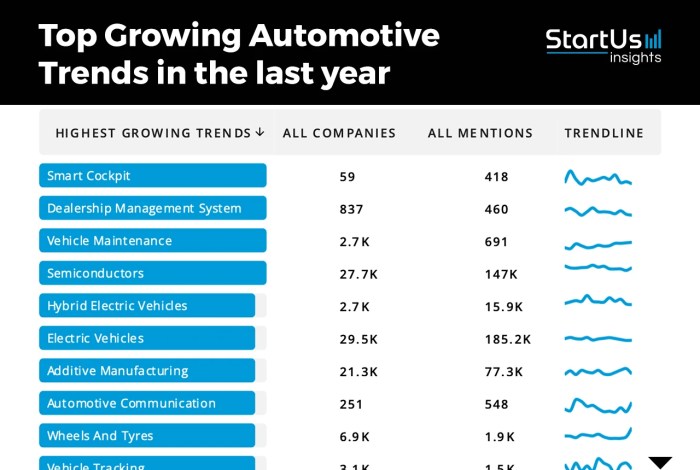
In conclusion, the interplay between GM's stock performance and automotive industry trends unveils a compelling story of adaptation and evolution. With a keen eye on market dynamics and strategic maneuvers, GM's journey in the ever-evolving automotive landscape is one worth following.
Common Queries
How has GM's stock performance evolved over the years?
GM's stock performance has seen fluctuations influenced by various factors such as market trends, company decisions, and industry competition.
What are the key trends shaping the automotive industry currently?
Current trends in the automotive industry include the rise of electric vehicles, autonomous driving technology, and sustainability initiatives.
How do external factors like technology and regulations impact GM's stock prices?
External factors like advancements in technology and changes in regulations can significantly impact GM's stock prices by influencing consumer demand and market perceptions.